Re-watched: November 9, 2024
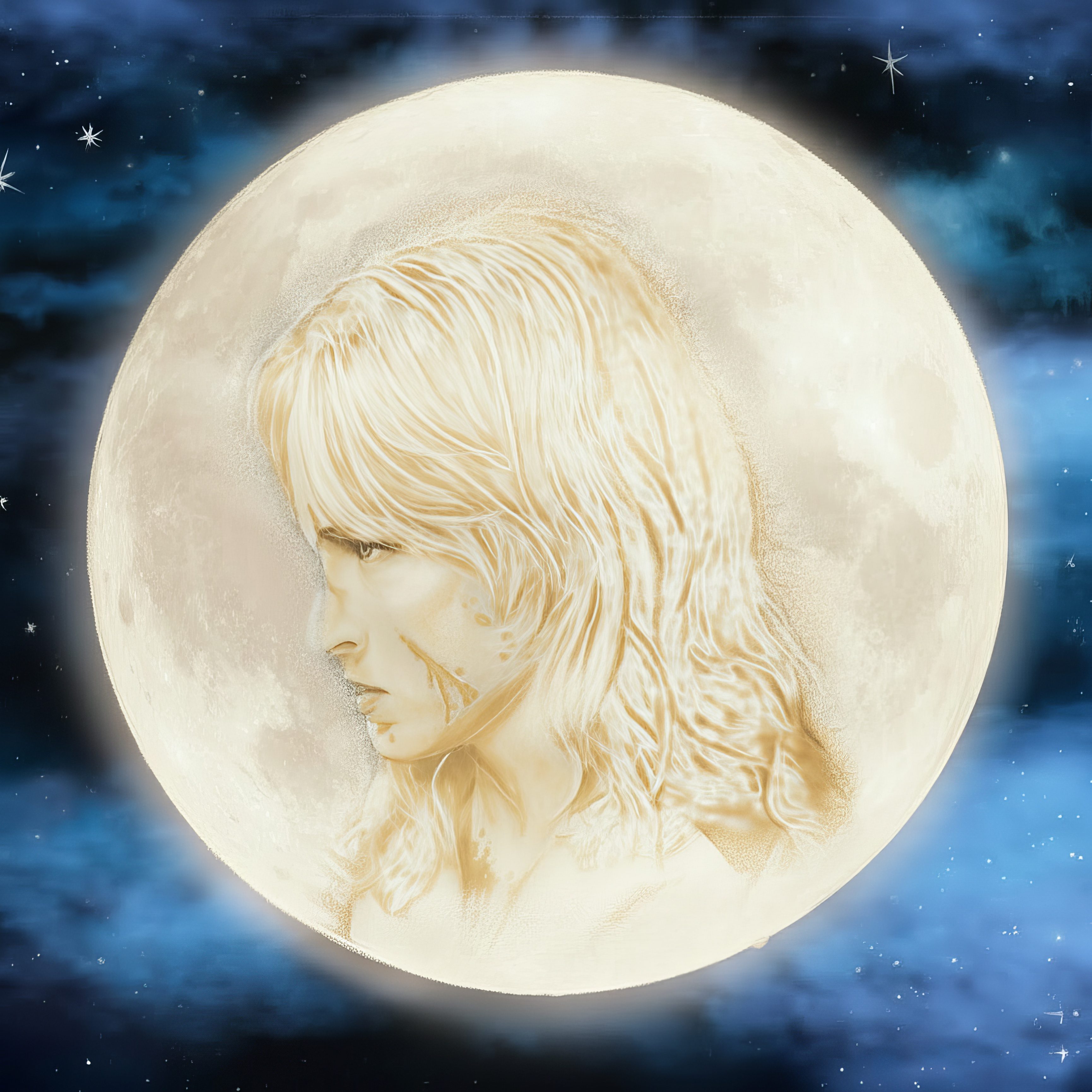
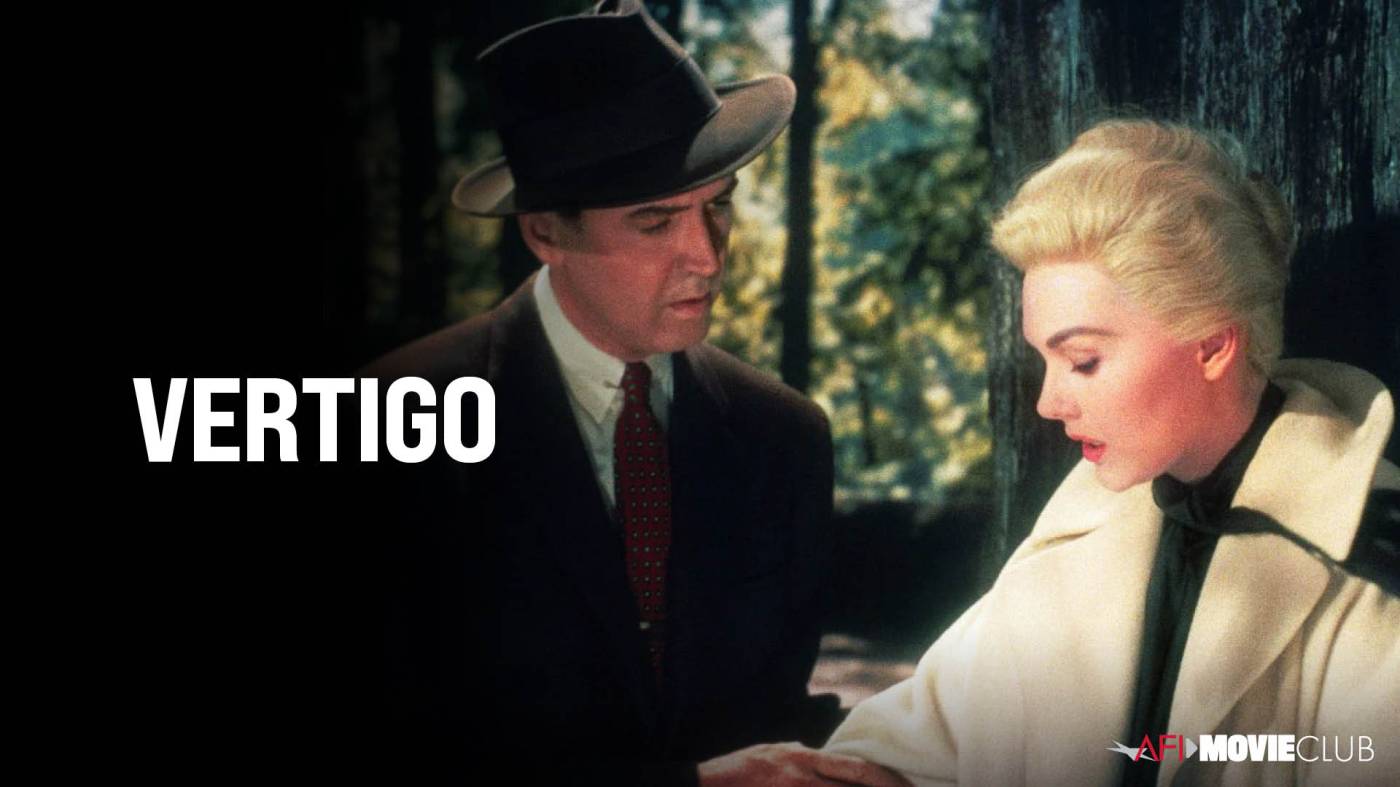
Vertigo (1958) is the quintessential romantic thriller and EF’s favorite film. The morphing site icon is an homage to Kim Novak. No film is more psychological, or for me as haunting. I basically fell through the screen when I first saw this as a kid. Have fallen for it ever since.


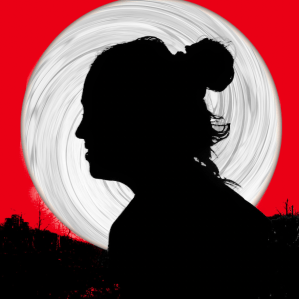

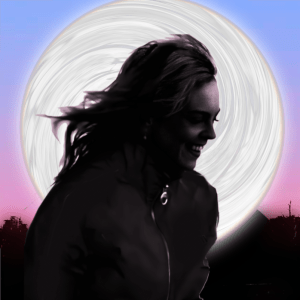


The evolution of EF’s site icon…”Obsess much?”
Plot – A former San Francisco police detective wrestles with trauma while becoming obsessed with the hauntingly beautiful woman he has been hired to trail, who may be possessed.
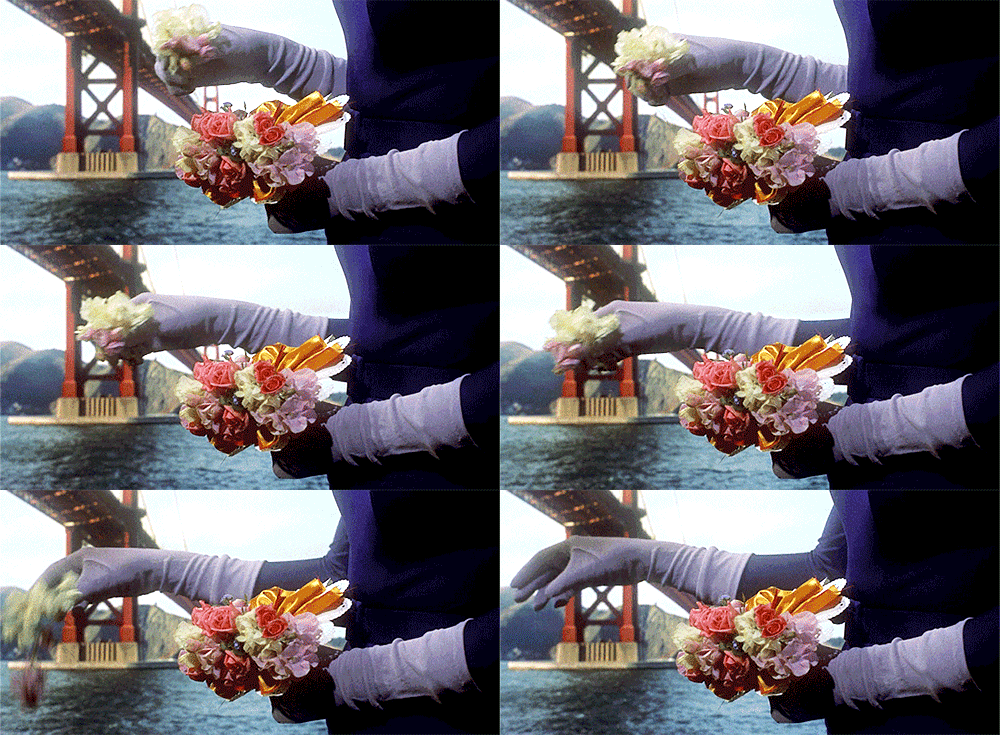

Vertigo is an adaptation of the Boileau-Narcejac’s 1954 novel, D’Entre les Morts which was essentially written for Alfred Hitchcock (Truffaut 243). Hitchcock was “intrigued by the hero’s attempts to re-create the image of a dead woman through another one who’s alive.” The Master of Suspense made one pivotal alteration to the source material. In the latter half of Act 2 he reveals the twist! This coincides with my second favorite shot of the film – the back of one actor’s head slowly turning to reveal a galaxy of inner turmoil. The revelation transforms the mystery into a most dynamic and satisfying play of dramatic irony thereafter.
Vertigo is the psychoanalyst’s dream – infinitely symbolic and surreal. The film tackles unconscious archetypes, obsession, mental Illness, sex and fetishes, gender, jealousy, guilt and shame, the life and death instincts, and everything else in between.
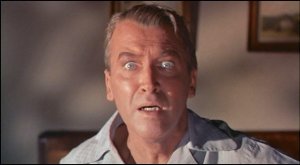
“One morning I found a patient standing like a statue, her body frozen in a posture of terror, as if she were trapped in a moment of unspeakable horror.” -Description of catatonia from The Body Keeps The Score by Bessel van der Kolk, 2014
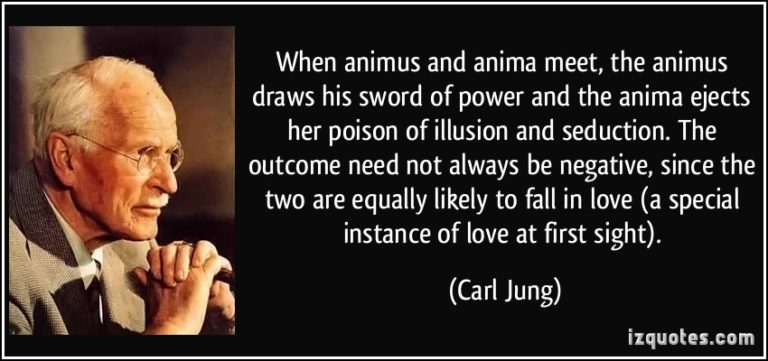
The hero’s attempt to recreate a dead woman is a perfect allegory for Carl Jung’s theory of anima. Anima is a man’s ideal woman. Animus, a woman’s ideal man. We project this inner image onto individuals of the opposite sex, blinding ourselves to who they truly are. Anima and animus evolve with experience but only for individuals who learn from their mistakes. Others are doomed to repeat the past. For more information about Jungian psychology visit my friend and go-to resource, LampMagician.
Among Vertigo’s technical triumphs, all of which we studied in film school, are its scene blocking, psychedelic editing, strategic use of color, fog lens, and first ever dolly-zooms, later seen in such films as Jaws (1975), Raging Bull (1980), and Poltergeist (1982).

The trick shot is achieved by zooming in while pulling the camera back with exact precision. First conceived while shooting Rebecca, it would take 15 years of mulling before Hitchcock could solve the technical problem. Inspired while drunk at The Royal Albert Hall when the room seemed to move away from him.
Bernard Herman’s music score perfectly embodies the film’s central motif – the spiral, as symbol for obsession and the persistence of time. The main theme features a dually rising/falling arpeggio out of the the minor(maj7) chord. A unicorn like the Bond chord, the “Vertigo chord” conforms to no scale but exists in a netherworld all of its own. Yet we know it instinctually!?

In “Scene D’Amour” Hermann employs an infinitely repeating minor modality which rises, crescendos and then returns down the same sonic staircase it ascended. The strings and brass are yin and yang in dance. Muscle and skeleton. First ascent the strings play melody while the brass / woodwinds support in static rythm. Next ascent they switch roles before crescendoing in unchained harmony.
Vertigo is Alfred Hitchcock’s most critically acclaimed film and also my favorite. The Master of Suspense is at the top of his game; all elements of production are in perfect harmony. Vertigo is a complete work of art spiraling in the cosmos for eternity.
The Inside Out: Fear (30), (Disgust (30), Anger (20), Sadness (12), Joy (8)
Experience Film🌉🧤💐꩜
Special thank you to Giadreams @TheMovieMyLife. Your review inspired mine. Gia has been running a Hitchcock marathon on her site. Be sure to check out her recent experiences of Rear Window, and Psycho also!

References
Truffaut, Francois. Hitchcock. Simon & Schuster, 1966
Van der Kolk, Bessel A. The Body Keeps the Score: Trauma and Healing. Pesi, 2014.
 Experience Film
yes, a great film; I’ve seen it often, the original ‘Rebecca’ too, one of mum’s favorite films and books. She gave it to me to read when I was quite young and I loved it ! Still do —
LikeLiked by 1 person
Rebecca is another great haunter; Fam and I read the book semi recently.
LikeLiked by 1 person
Now I really need to do a rewatch of Vertigo. I was too young to understand it, but I did appreciate its technical achievements. I do love the rest of the Hitchcock classics that I’ve seen.
LikeLiked by 1 person
Enjoy the revisit and don’t look down!꩜
LikeLiked by 1 person
💙
LikeLike
❤️💚
LikeLike
Vertigo is easily one of Hitchcock’s finest movies. It’s a superb piece of work, always enjoy revisiting this classic.
LikeLiked by 1 person
🌁꩜🧤
LikeLiked by 1 person
This is a powerful and excellent article, my friend. Bravo! The soundtrack is impressive, and as I listened to it, I could vividly imagine every scene. Yes, it is one of my favourite films by Hitchcock.
I also favour another Hitchcock movie that explores a sensitive psychological theme—though all his films delve into that topic! The film is called “Spellbound,” which features contributions from the master Salvador Dalí. 😉🤙🖖👻
LikeLiked by 1 person
Your knowledge of film inspires. I must watch Spellbound, especially since it features the great, Salvador Dalí – ruth commented that is one of her favorite Hitchcock films also🤙꩜
LikeLiked by 1 person
🙏🤙
LikeLike
Oooh, nice rewatch! I saw this ages ago so I feel like I should watch it again. Hermann’s score is wonderfully ominous and beautiful. Lampmagician mentioned Spellbound, that’s one of my fave Hitchcock films, I was spellbound by Gregory Peck when I saw it, ahah!
LikeLike
What a lovely review! I’m glad you could revisit it only to find that it’s as special as you remembered, if not more so. Reading your review actually made me want to hit play and watch it again! 😁
Also, thank you for the kind mention. 🙏
LikeLike
What a lovely review! I’m glad you could revisit it only to find that it’s as special as you remembered, if not more so. Reading your review actually made me want to hit play and watch it again! 😁
Also, thank you for the kind mention. 🙏
LikeLiked by 1 person
I’ve been meaning to write this for years. You gave me the kick I needed!
LikeLike
I love your The Inside Out breakdown. I have to watch it soon as I don’t recall having seen it in full as a kid. Along with a bunch of other Hitchcock movies which were on TV often in the 80s.
LikeLiked by 1 person
I love the Inside Out Breakdown too; its fun. I want to rate more movies with it. I apply Disgust to movies that emphasize style or eroticism, and/or feature socialite characters involve social hierarchies or cliques.
LikeLiked by 1 person
I’ve actually seen very few Hitchcock films, and this isn’t one of them. Maybe someday …
LikeLike
There are films that draw us out of ourselves, social experiences that unite us as we sit in silence with others popping popcorn. You have selected the one that means the most to you, and we feel your emotional resonance through your writing.
It is a text not only riven with emotion, but is light on its feet, like a dream in motion. The core meaning — usually seen only in retrospect, when the lights go back on — is superloaded by our own mental world after time is restarted in the alleyways of the movie theater, notably the upper levels where the movie screens reside.
We stumble out of the movie theater uncertain on our feet, convinced that what we had seen is a dream, hopeful about our own existences despite that sureness. The world of the movie has connected. Feeling a kind of euphoria, pleasantly reeling from the experience, we go on with our lives in a flurry of good feelings. That is what a fine movie does for oneself.
LikeLiked by 2 people
Damn, I wish I had written that! Such experiences are the magic of movies. Nothing like it if you ask me!
LikeLike
Terrific article, thank you!
Vertigo is indeed a great film. Despite having seen it many times, after reading this, I feel like watching it again. (& Rear Window)
Cool that you gave a shout out to Aladin. He really is into Jung and other writer/philosophers, big time. He has a great & intriguing mind. I’ve learned a lot from visiting his blog.
Thank you for the cool read!
LikeLiked by 3 people
I wanted to write a proper review/article for a change. So glad you enjoyed it💚🌉
LikeLiked by 1 person
I did, and it was a fab change! Thank you!
I like all you posts that I read, anyway.
LikeLike